.CgFKWRaG_Z16iTmn.webp)
Looking for private-sector RFPs can feel like a bit of a wild goose chase. Unlike government RFPs, which are usually posted in one place, companies in the private sector tend to share their RFPs across different websites, or sometimes not publicly at all. So if you’ve been trying to figure out where to actually find these RFPs, you’re definitely not alone.
The good news is, we’ve found some solid platforms to find RFPs from real companies, not job listings, not freelance gigs, but actual projects where businesses are actively looking for vendors, agencies, or consultants.
We’ve put together a list of platforms that can help you spot these opportunities faster, save time, and give you a better shot at landing great clients. Let’s check them out.
Top 6 Platforms to find RFPs
1. Bid Banana
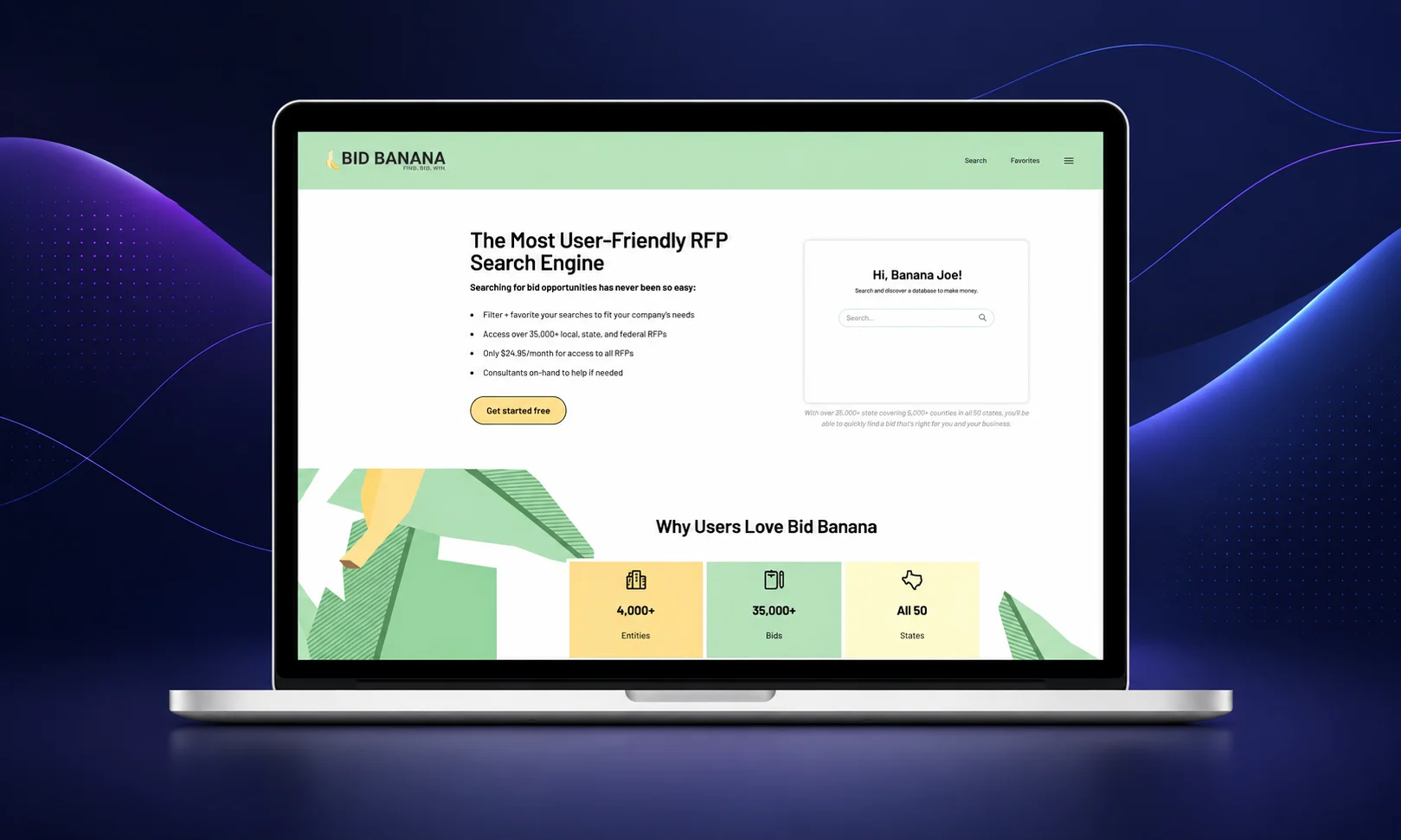
Bid Banana is a curated platform that aggregates RFPs, RFIs, and private bid opportunities from various sources online, making it easier for vendors to discover active opportunities without having to scrape dozens of websites manually. The focus is heavily on private-sector needs in industries like digital marketing, design, software development, and professional services. Its minimal interface is designed to help you find leads fast without the clutter or bloat of enterprise procurement platforms.
Key Features:
- Curated feed of private-sector RFPs only
- Focus on categories like marketing, design, software
- Simple and clean user interface
- Frequently updated listings
- Easy subscription and access, no over-complication
2. RFPmart
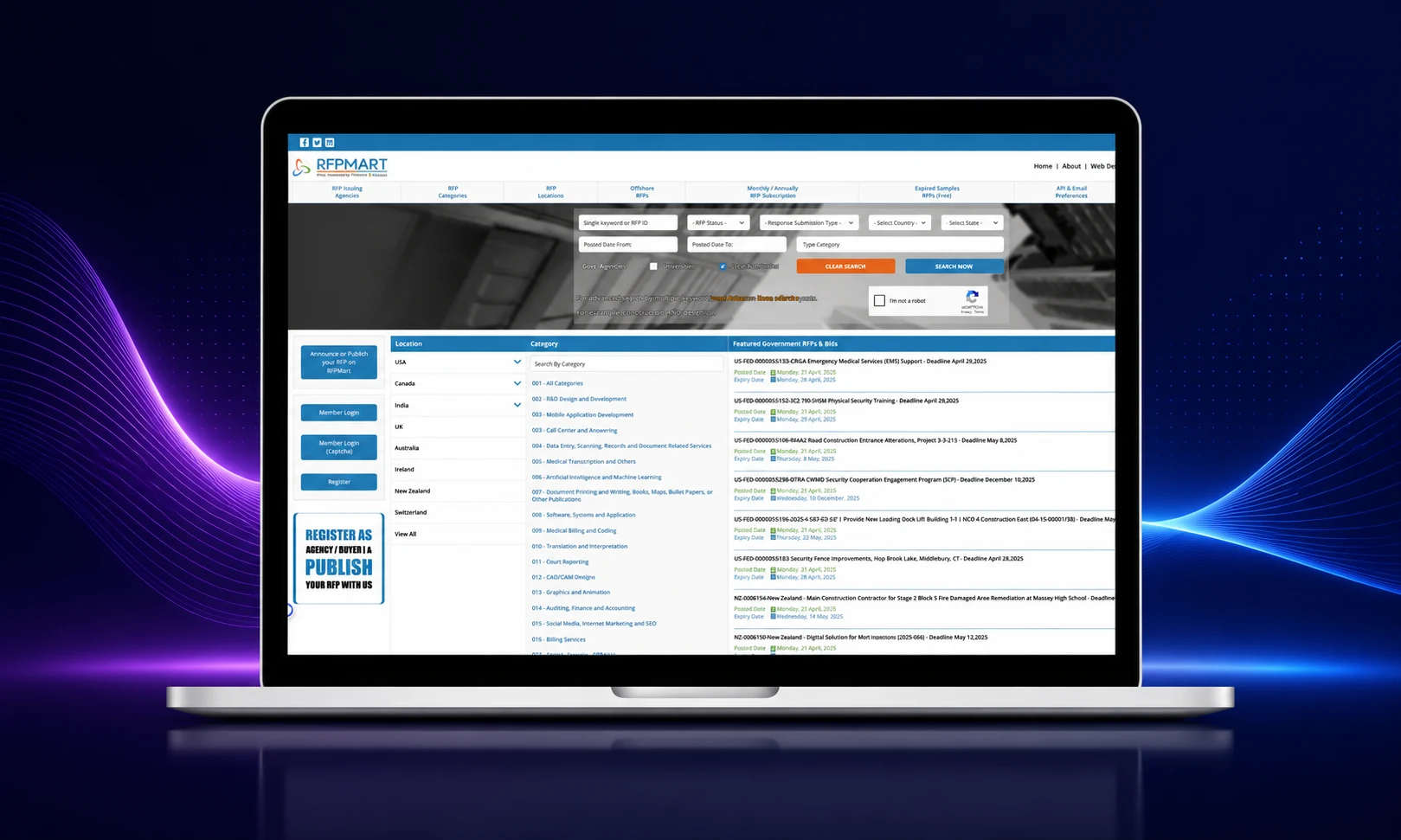
RFPmart is one of the popular platforms to find RFPs that offers access to a wide range of RFPs across multiple industries and geographies. It includes both private and public sector RFPs, but is particularly useful for private-sector service providers like consultants, IT vendors, and marketing agencies. The platform allows you to search and download RFP documents directly, offering a straightforward approach for companies looking to identify and assess potential opportunities quickly.
Key Features:
- Thousands of RFPs across IT, consulting, marketing, finance, healthcare
- Download full RFP documents (paid access)
- Good global and U.S. coverage
- Easy filtering by industry, keyword, or location
- Updated regularly with fresh RFPs
3. RFPDB (The RFP Database)
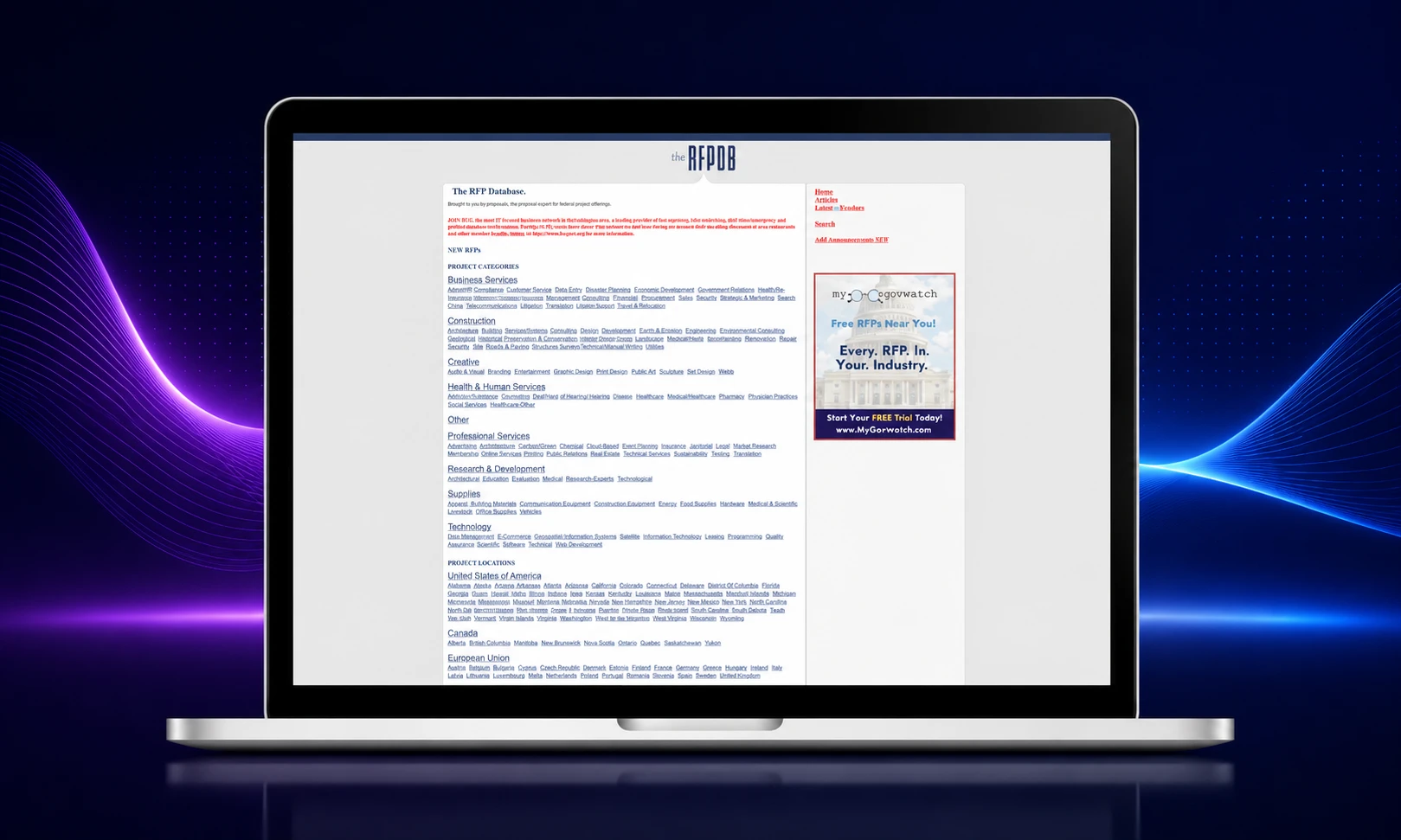
RFPDB is a community-powered platform where both organizations and vendors can share or discover RFPs. It’s especially valuable for smaller companies and agencies, as it often features RFPs that aren’t listed on major procurement sites. The user base contributes actively, creating a collaborative environment that makes the platform ideal for creative, tech, and consulting-focused firms. It also offers custom alerts, allowing you to stay on top of new listings in your niche.
Key Features:
- Community-driven — RFPs posted by real users
- Great for niche or small-to-mid-sized private RFPs
- Popular in marketing, tech, and consulting circles
- Free to browse, with paid plans for alerts
- Easy to use and search with basic filters
4. BidNet
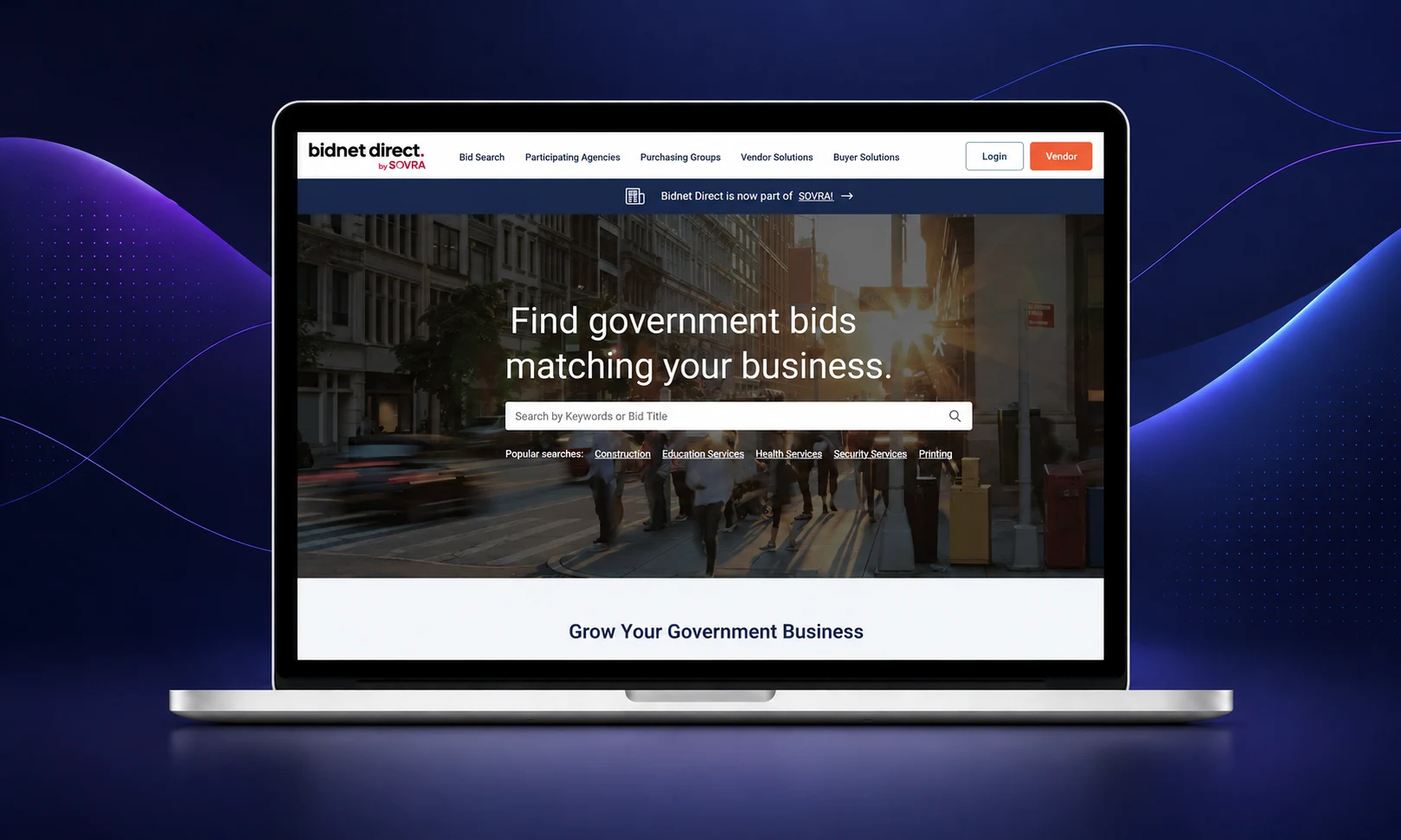
BidNet is one of the more established platforms, primarily focused on government procurement, but it also includes private and corporate RFP listings, especially from companies that prefer a formal bidding process. If you’re targeting enterprises or large organizations that post structured RFPs, BidNet can be a valuable resource. While more public-sector heavy, the inclusion of corporate bids makes it worth exploring for vendors in industries like construction, IT, and logistics.
Key Features:
- Access to corporate/private sector RFPs in addition to government
- Smart bid-matching tools and notifications
- Covers U.S. regions with state and corporate projects
- Offers competitive intelligence tools
- Paid subscriptions for full access and alerts
5. FindRFP
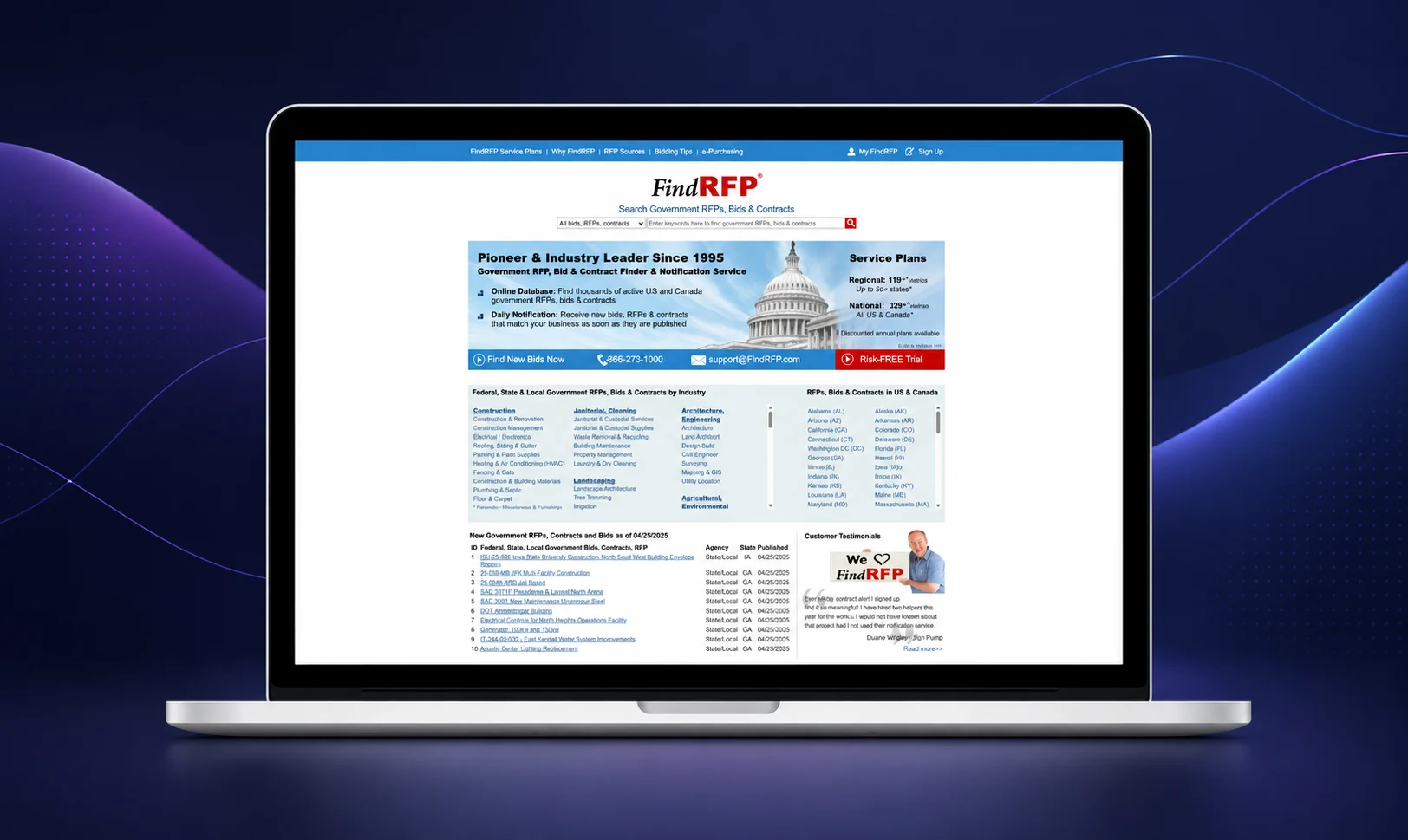
FindRFP aggregates bid opportunities across federal, state, local, and some private sources in the U.S. While its core strength is in public procurement, the platform occasionally includes private-sector or institutional RFPs, particularly in areas like education, healthcare, and technology. It’s widely used for vendors looking to keep a finger on the pulse of RFP activity across sectors and geographies.
Key Features:
- Daily email alerts based on filters
- Some listings from private companies and educational institutions
- Strong coverage in the U.S. market
- Search by region, category, and industry
- Paid plans offer full document access
6. LinkedIn (search “RFP” + filters)
While LinkedIn may not appear on typical lists of platforms to find RFPs, it has become an incredibly effective channel for discovering RFPs directly from companies. Many businesses, especially in the tech, design, and marketing space, share open RFPs via posts, job listings, or group discussions. By using keyword-based searches (“RFP”, “Request for Proposal”, “Seeking agency”, etc.) and combining filters like industry, post date, and location, you can uncover fresh, often under-the-radar opportunities. Plus, it allows direct outreach to decision-makers.
Key Features:
- Discover publicly shared private-sector RFPs in real time
- Use filters like industry, post date, and location
- Join relevant groups and follow hashtags like #RFP, #requestforproposal
- Great for building relationships with prospects
- 100% free and accessible with advanced search tactics
Conclusion
Finding RFPs doesn’t have to be a guessing game. With the right platforms to find RFPs, you can stay ahead of the curve, spot new opportunities early, and connect with businesses that are actively looking for what you offer.
Whether you’re in marketing, IT, consulting, or any other B2B space, these platforms can seriously level up your RFP strategy. Start exploring a few, set up alerts if they offer them, and see which ones bring in the most relevant leads for you.
At the end of the day, it’s all about being in the right place at the right time, and now, you know exactly where to look.
Turn The RFP Into A Response That Wins
Finding the RFP is only step one. The businesses that actually win are the ones who respond fastest with the sharpest, most specific proposal, not the ones who found the most opportunities.
Once you’ve shortlisted an RFP worth pursuing, the response needs the same rigour as the search. Proposal.biz’s RFP document tools turn a shortlisted opportunity into a branded, trackable response in the same afternoon you found it.
That response draws on a reusable content library, so you’re never rebuilding the same scope and pricing sections from scratch for every new RFP.
Before you commit real time to a response, it’s worth confirming the opportunity is genuinely winnable. Our guide on qualifying serious prospects before writing covers how to make that call quickly.
If you’re using AI to draft the response, our guide on prompts for project proposal writing covers the scope, milestone and acceptance-criteria prompts formal RFPs tend to demand.
For technical bids specifically, writing a technical proposal for software projects walks through that structure.
Consulting and services firms responding to RFPs regularly will also find proposal software built for consulting firms useful for keeping a library of past responses ready to reuse.
Frequently Asked Questions
What’s the difference between government and private-sector RFPs?
Government RFPs are almost always posted in one central, searchable place with a fixed procurement process. Private-sector RFPs are scattered across the platforms above, company websites and direct outreach, with far less standardisation in format or timeline.
How many RFP platforms should I actually monitor?
Two or three, chosen for your specific industry, usually beats trying to watch all of them. A curated platform like Bid Banana plus a broader one like RFPmart, alongside LinkedIn search alerts, covers most private-sector opportunities without the noise of checking a dozen sites daily.
Is it worth paying for an RFP database?
It depends on volume. If you’re bidding on a handful of opportunities a year, the free tiers and LinkedIn search cover most needs. If RFP response is a core part of how you win business, a paid database that surfaces opportunities faster than your competitors usually pays for itself in the first win.

Join Our Newsletter
Subscribe to our newsletter to get the latest updates and offers
This site is protected by reCAPTCHA and the Google Privacy Policy and Terms of Service apply.
* Will send you weekly updates for your better business management.